Thou we can spend another century or two analyzing every aspect of what makes TBS games tick, today we will compare just one aspect, the order the execution of your orders during your turn; in other words how your turn plays out. In most strategy games, the core mechanic consists of issuing orders or moving units in order to achieve a goal (generally killing/eating/ hoping over another unit). However, once you have issued the command, the order in which they are completed changes the strategic importance greatly (and in that sense, the whole game). There are two mayor ways that units can execute their orders: they can be followed immediately after the order is given (as in chess or XiangQi) or they can be done simultaneously with the other units at the end of your turn (as in Diplomacy or the videogame Frozen Synapse).

Games where the units follow their command just after the order is issued are more reactive in nature. Thou a good player will try and predict the opponent's strategy, at a tactical level he will be concentrated in reacting to the current game state (how the unit and board are accommodated at any given time). For example in Risk; because each combat is resolved right after the attack, and due to the random nature of the combat, the player's moves are determined directly by which battles he won or lost. If he is able to enter a new territory, or if he must press an attack....all these are dependent on what just happened. This allows for a (relatively) fast pace, as the game state is very fluid and the changes it takes are incremental.
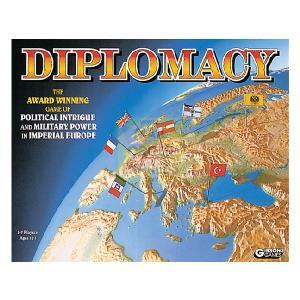
On the other hand, games where the units move simultaneously are more predictive in nature. As all combat is resolved at the same time (or at least without the player intervening) then the player is forced to think about how all their units will end up after the dust settles. In many games that use the mechanic, the opponent's orders are ALSO executed at this time, so the player has to also try and predict what his enemies will do. This is the case of Diplomacy, where player's write down their orders and then execute them at the same time. Here you really don't know how the map will end up, and hence the importance of allies and betrayal. Here the pacing is slow (-er), as the preparation phase of attacking carries a lot more weight. Even if it changes few times during a game, the game state changes dramatically.However, the moment the orders are enacted are incredibly tense.
There are then hundreds of little variations on the exact issuing of orders, how combat is resolved, etc that change the game's flavor, but those are too many to list here. However, one of the most important decisions on designing a TBS game is this one, when do we face the enemy?

No comments:
Post a Comment